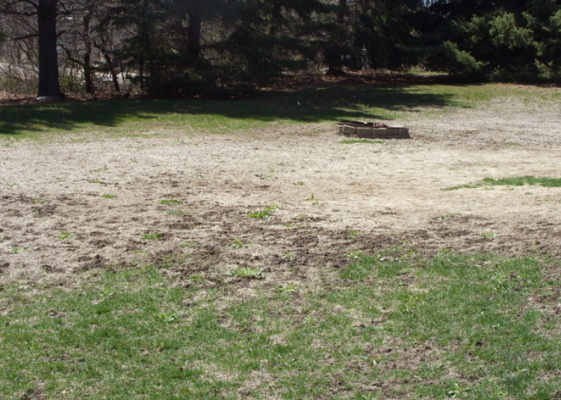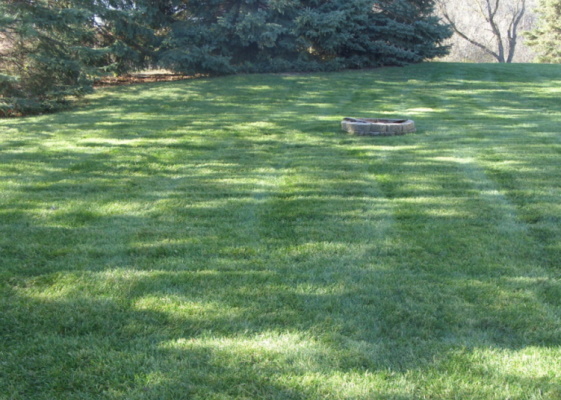

After a scorching hot summer with lots of outdoor activities, your lawn may be looking a little thin, compacted or worn out. If you’re worried that this past summer destroyed your lawn for good, the good news is that fall is one of the best times to help it recover.
For Minnesota lawns, aeration and overseeding are two of the most effective fall lawn care services, and they work even better together. In fact, the University of Minnesota Extension lists mid-August through mid-October as the ideal window for aeration and early August through late September for seeding. This month, Northern Roots is answering your questions about aeration and overseeding, so you can get your lawn recovered from summer and looking its best.
What Does Lawn Aeration Do?
 Core aeration removes small plugs of soil from your lawn, helping relieve soil compaction and allowing water, oxygen and nutrients to reach the root zone more effectively.
Aeration can be especially beneficial if your lawn:
- Gets a lot of foot traffic
- Has compacted or heavy soil
- Struggles to absorb water
- Has thin or weak areas
- Hasn’t been aerated recently
For many Minnesota lawns, aerating during the fall growing season gives cool-season grass an opportunity to recover and develop stronger roots before winter.
What Is Overseeding?
 Overseeding adds new grass seed directly into an existing lawn to fill thin areas, improve density and encourage a thicker, healthier lawn.
And timing matters: Though you might assume that grass would grow best in the summer sunshine, Minnesota’s cool-season grasses naturally grow more actively during the cooler conditions of spring and fall. (So it’s not time to put away that lawnmower just yet!)
Do You Need Both, Aeration AND Overseeding?
Not every lawn needs both every year, but they’re a great combination for lawns that are compacted, thinning or showing wear.
Aeration creates openings in the soil that can improve seed-to-soil contact, which is critical for successful grass establishment. Overseeding immediately afterward takes advantage of those openings to introduce new grass where your lawn needs it.
Think of it this way:
Aeration improves the growing environment. Overseeding helps fill it with new grass.
What’s the Best Grass Seed for Minnesota Lawns?
There isn’t one perfect seed for every yard. Sun exposure, shade, foot traffic, watering and maintenance all matter.
For Minnesota lawns, commonly recommended options include Kentucky bluegrass, fine fescues, turf-type tall fescue and certain perennial ryegrass varieties. Sunny, high-traffic lawns and shady, lower-maintenance lawns may benefit from very different seed mixtures.
That’s another reason professional overseeding can make a difference: the goal isn’t simply to throw down grass seed. It’s to choose the right seed for your lawn and its conditions. Choosing a reputable lawn care company like Northern Roots can ensure that the aeration is done properly, you’re using the right seed blend for your yard’s conditions, and can follow it up with a fertilizer and maintenance program to keep it growing beautifully all season long.
Give Your Lawn a Stronger Start Before Winter