
Minnesota Winters aren’t just cold, they’re unpredictable. One week brings deep freezes, the next gives a temporary thaw and then plunges back below zero. These constant freeze-thaw cycles might feel normal to us, but for your lawn they can cause serious stress that impacts turf health well into spring. Northern Roots Lawn Care is here to explain to homeowners how Minnesota weather-whiplash affects their lawns, and what can be done to protect them year round.
What Are Freeze-Thaw Cycles?
 Freeze-thaw cycles happen when temperatures repeatedly rise above freezing during the day and dip below freezing at night. This can also happen when we have a few days of mild, warm weather and then we hit another cold snap. This common winter weather pattern causes soil to expand and contract over and over again. While this is a natural process, frequent freeze-thaw cycles can take their toll on grass roots, soil structure, and overall lawn health.
How Freeze-Thaw Cycles Damage Your Lawn
Soil Heaving: As moisture in the soil freezes, it expands, and when it thaws, it contracts. (Think potholes!) Over time, this movement can push grass plants upward, exposing roots to cold air and winds.
Root Stress and Damage: Grass roots are meant to stay insulated beneath the soil. When freeze-thaw cycles lift roots closer to the surface, they become vulnerable to extreme cold, dehydration, or even physical damage if they get trampled on. This stress weakens turf and slows spring green-up.
Crown Injury: The crown of the grass plant is where growth begins, and it is especially sensitive. Repeated freezing and thawing can damage the crown, leading to thin patches or dead spots in your lawn when spring arrives.
Increased Compaction: Thawing soil that refreezes can become compacted over time, reducing oxygen flow and making it harder for roots to grow and absorb nutrients.
Higher Risk of Snow Mold: Freeze-thaw cycles combined with lingering snow create ideal conditions for snow mold, a common lawn disease in Minnesota that appears as gray or pink patches in the spring.
Signs of Freeze-Thaw Damage in the Spring 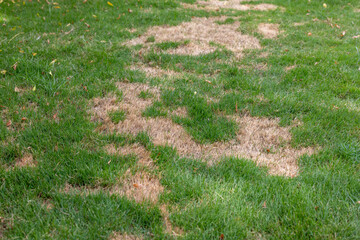
By the time spring arrives, the damage has already been done beneath the surface. Many homeowners don’t notice freeze-thaw damage right away. Instead, the evidence appears once the snow melts in the spring. They may notice:
- Uneven or patchy turf
- A delay in green-up
- Weak grass growth
- Bare/thin patches
Once the damage is done homeowners may have to fix the bare patches with overseeding and proper fertilization – or even new sod if the damage is bad enough.
How to Protect Your Lawn from Freeze-Thaw Stress
While we can’t control Minnesota’s weather, there are steps you can take to minimize winter damage.
Proper Fall Fertilization: Fall fertilization strengthens grass roots before winter dormancy. This helps turf withstand temperature swings and winter stress.
Maintain Adequate Soil Moisture: Don’t skip watering your lawn in the fall. Well-hydrated soil freezes more evenly in the winter, reducing excessive expansion and contraction.
Avoid Foot Traffic on Frozen or Thawing Lawns: Walking or playing on partially frozen turf increases the risk of crown and root damage during freeze-thaw cycles.
Minimize Compaction: Aeration before the cold comes improves soil structure and drainage, reducing the severity of winter compaction.
Spring Lawn Maintenance: Early spring fertilization, overseeding, and disease prevention help lawns recover faster from winter stress.
How Northern Roots Lawn Care Can Help
Northern Roots Lawn Care understands the unique challenges Minnesota lawns face. Our Premium Turf Care Program is designed to:
- Strengthen turf before winter
- Reduce damage from freeze-thaw cycles
- Promote healthy root systems
- Speed up spring recovery
With fertilizer, seed, maintenance, pest and disease control, and even snow removal and deicing, we help protect your lawn through every Minnesota season. Contact Northern Roots Lawn Care today at 763-777-4233 or on our website to learn how our professional lawn care services help protect and restore your lawn year round.