
As the snow melts in Minnesota, many homeowners are excited to see their lawns again… that is until they notice mysterious trails, dead patches, and chewed-up grass. If your yard has a criss-cross of shallow pathways, you’re likely dealing with vole damage. Voles are small rodents that stay active all winter long under the snow, feeding on grass, roots, and plants. By the time spring arrives, the damage is already done, but luckily there are ways to repair your lawn and prevent issues in the future.
What Does Vole Damage Look Like? 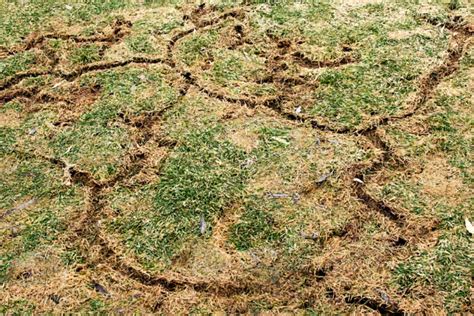
Vole damage is usually pretty easy to spot once you know what you’re looking for. Common signs of vole damage include:
- Narrow, winding surface tunnels or runways in your grass
- Dead or thinning patches in your lawn
- Chewed grass blades and exposed soil
- Damage around trees or shrubs where bark may have been chewed on
These trails often appear after the snow melts, leaving your lawn looking patchy and uneven.
What to Do If You Have Vole Damage
If you discover vole damage in your lawn this spring, don’t panic! Your grass can recover with the right care.
Rake and Clean Up the Area
Start by gently rakingthe affected areas to remove dead grass and debris. This helps loosen matted turf and allows sunlight and air to reach the soil.
Overseed Damaged Spots
Apply grass seedto bare or thinning areas to promote new growth. Choose a quality seed blend suited for the Minnesota climate to ensure strong regrowth.
Water and Fertilize
Consistent watering and a balanced fertilizersuited for the season will help your lawn recover more quickly and promote healthy root development.
Monitor for Continued Vole Activity
While mostvole activity slows down in spring, keep an eye out for new damage to ensure the problem doesn’t continue.
How to Prevent Vole Damage in the Future 
Before you start blowing up your lawn to eliminate the voles and other critters, we have some easier solutions to prevent damage in the future. Preventing vole damage starts with making your yard less attractive to them, especially before winter sets in.
- Keep your lawn trimmed heading into fall to reduce cover and make it less cozy for voles and other pests
- Remove leaves, thatch, and debriswhere voles like to hide
- Avoid heavy mulch buildup near foundations and trees
- Protect young trees and shrubswith guards or barriers
- Maintain regular lawn careto keep turf thick and healthy
Get Your Lawn Back on Track This Spring
Seeing vole damage might be a frustrating start to the season, but with the right approach, your lawn can bounce back stronger than ever. Whether you need help repairing damaged areas or want to prevent future problems, Northern Roots Lawn Care is here to help.
Contact ustoday at 763-777-4233 to schedule your spring lawn service. Whether it’s to fix vole damage, get a jump on fertilizingfor the season, prevent weeds, or to maintain a lush, green lawn, Northern Roots is ready to bring your yard back to life.